
Seasonal Health Tips for Seniors in Hawaii: Hurricane Preparedness
AD
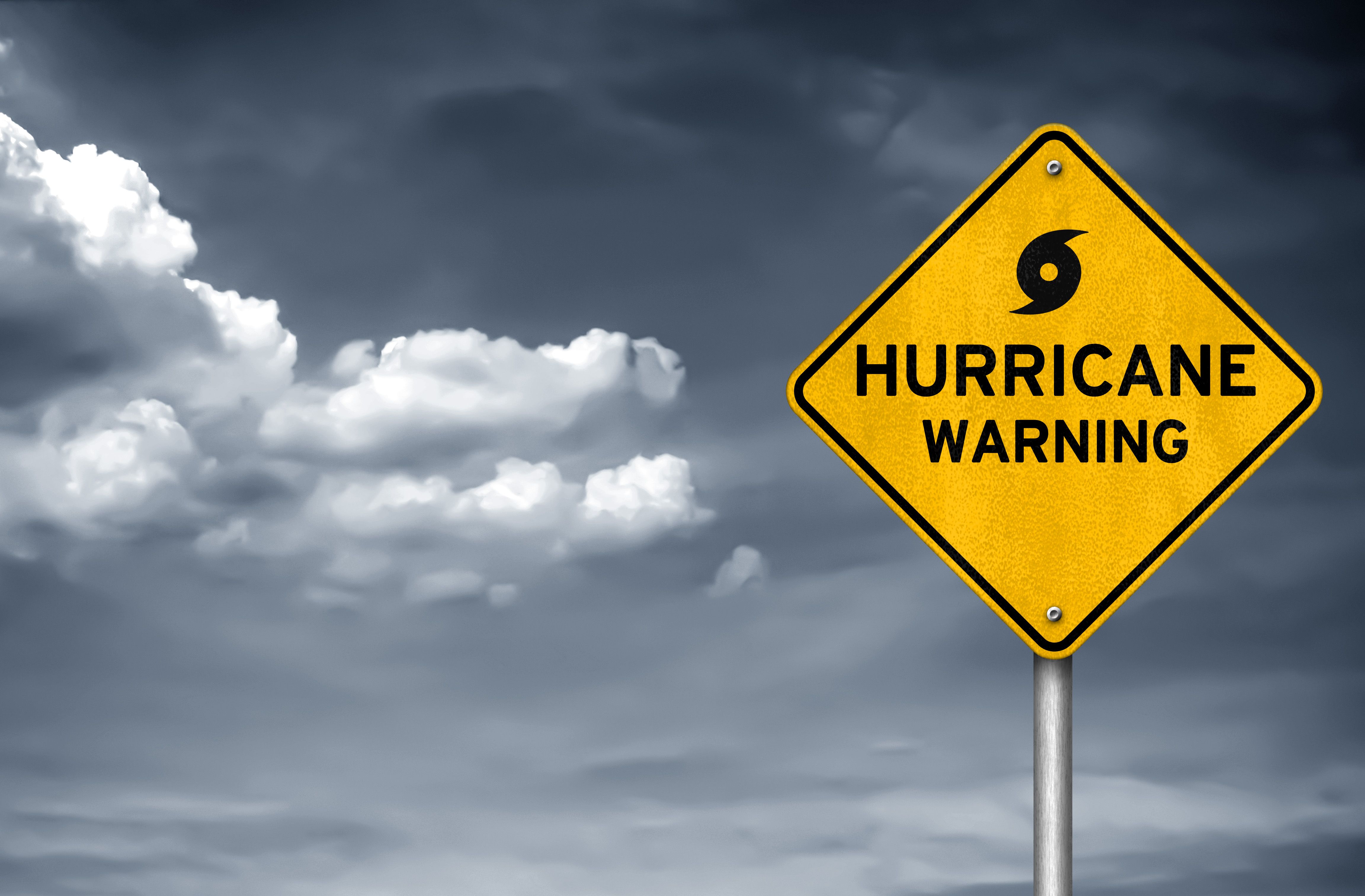
Understanding Hurricane Season in Hawaii
Living in Hawaii offers many benefits, but it also means being prepared for hurricane season, which typically runs from June to November. For seniors, taking extra precautions to safeguard health and well-being is crucial during these months. Understanding the specific challenges hurricanes present can help in effective preparedness.
Hurricanes can bring strong winds, heavy rain, and flooding, which can disrupt utilities and access to medical care. Therefore, it's essential to have a comprehensive plan in place. Seniors should focus on creating a safety plan that considers their unique health needs.
Creating a Personalized Emergency Plan
When creating an emergency plan, seniors should consider their specific health requirements, such as medications, mobility aids, and dietary needs. Here are some key steps to follow:
- Medication Management: Ensure you have a 7- to 10-day supply of all necessary medications. Keep a list of prescriptions, dosages, and doctor contact information.
- Medical Devices: If you use medical devices that require power, have backup batteries or alternate power sources.
- Special Dietary Needs: Stock up on non-perishable foods that meet your dietary restrictions.
Having these essentials ready can alleviate stress and ensure that health needs are met during an emergency.
Building a Support Network
Being connected to a support network can be invaluable during hurricane season. Friends, family, and neighbors can provide assistance and support. Seniors should communicate their plans with their network and ensure everyone knows how to stay in touch during an emergency.
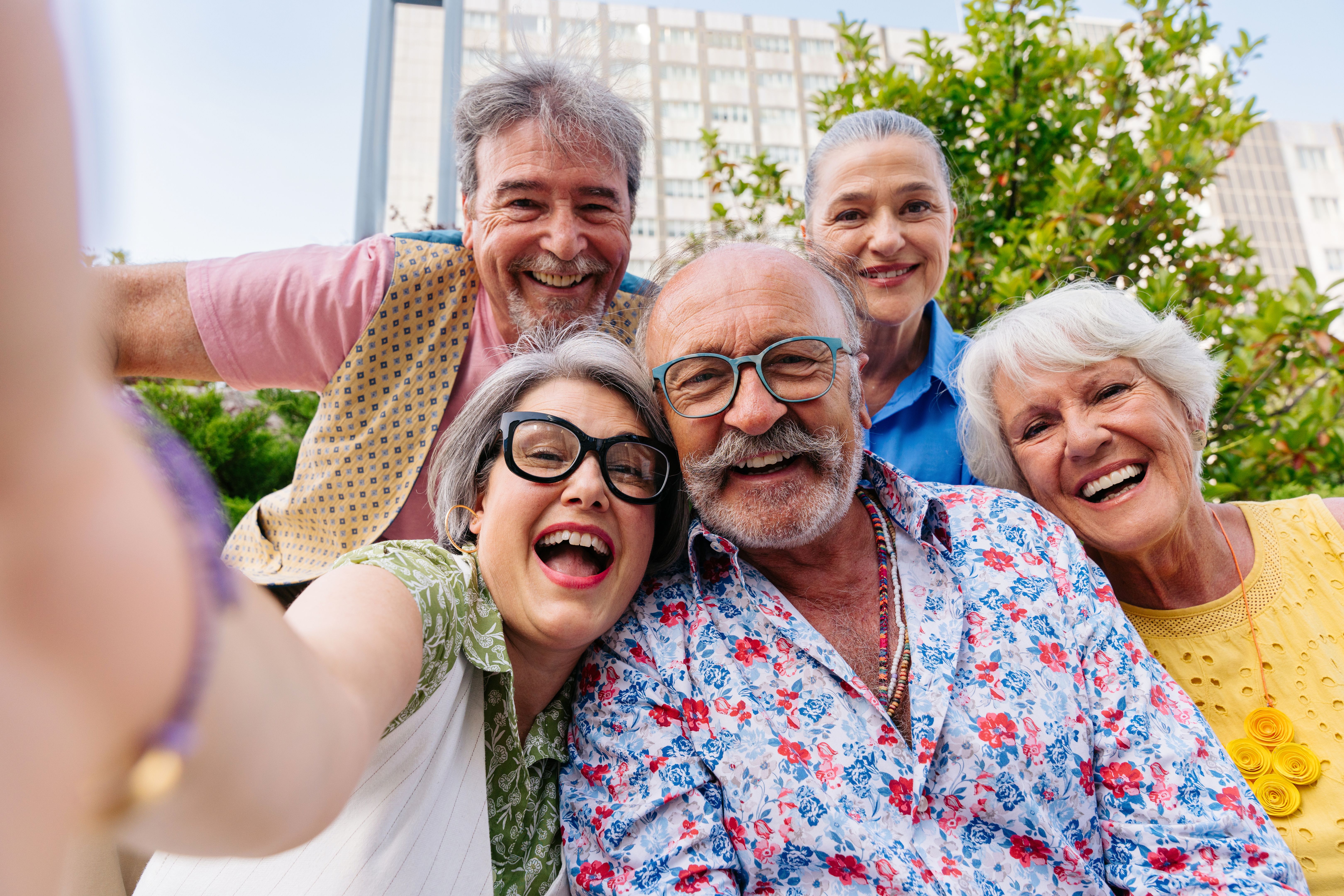
Consider joining local groups or organizations that offer emergency support services specifically for seniors. These organizations can provide resources and assistance before, during, and after a hurricane.
Staying Informed and Connected
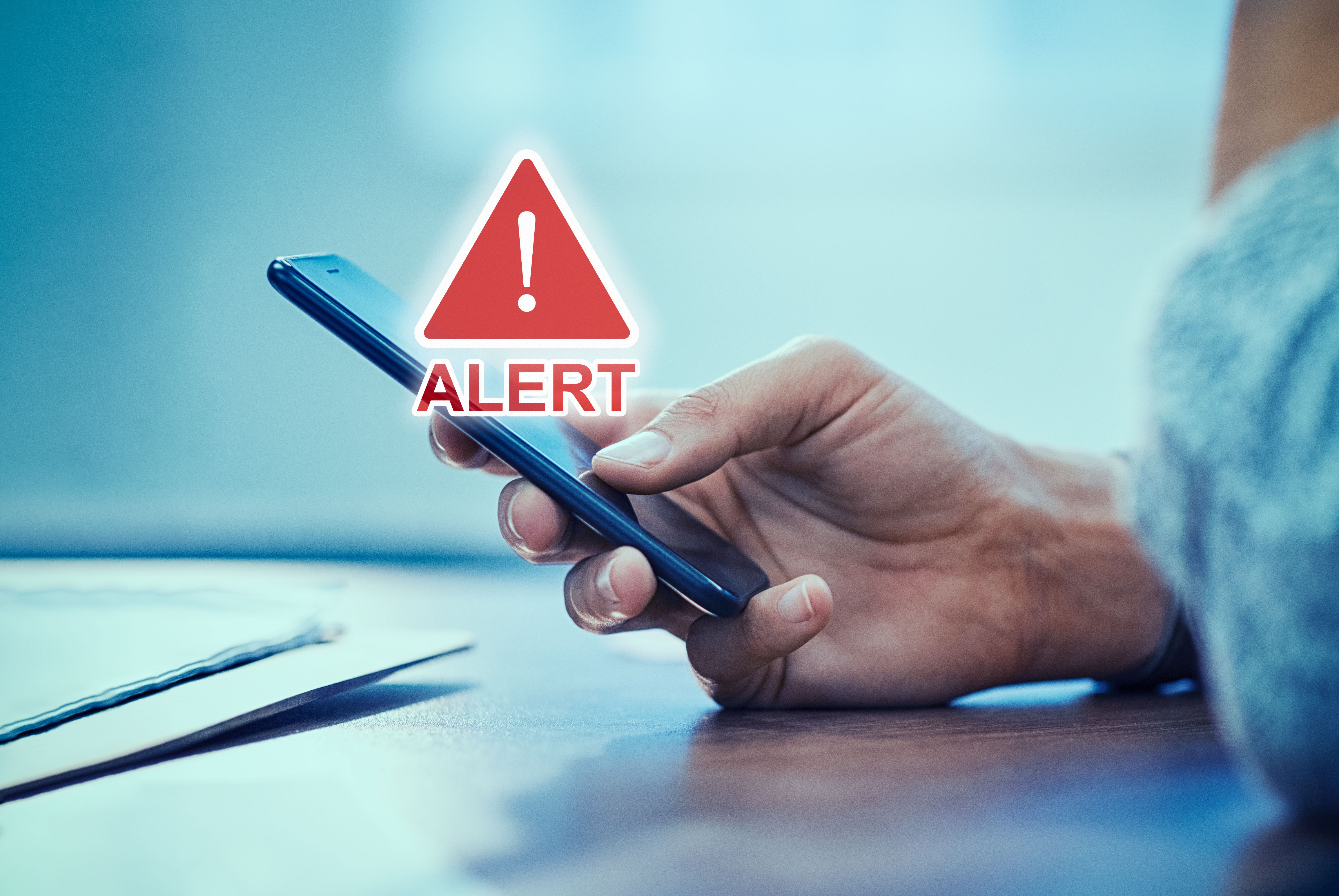
Staying informed about the latest weather updates and emergency alerts is crucial. Seniors should have access to a reliable source of information, such as a battery-powered radio or a smartphone with emergency alert apps. Ensure all devices are charged before a storm hits.
Additionally, knowing the location of the nearest shelter and the best evacuation routes is vital. Keep this information handy and ensure that your support network is aware of your evacuation plan.
Protecting Mental Health and Well-being
The stress of preparing for a hurricane can impact mental health, especially for seniors. Practicing relaxation techniques such as deep breathing, meditation, or light exercise can help manage anxiety. Staying connected with loved ones through calls or video chats can also provide emotional support.
After the storm, participating in community rebuilding efforts or support groups can foster a sense of connection and purpose, helping in the recovery process.
Conclusion
Preparedness is key to ensuring the safety and well-being of seniors during hurricane season in Hawaii. By understanding the risks, creating a personalized emergency plan, building a support network, staying informed, and taking care of mental health, seniors can navigate the challenges of hurricane season with greater confidence and peace of mind.